SHORT ANSWER
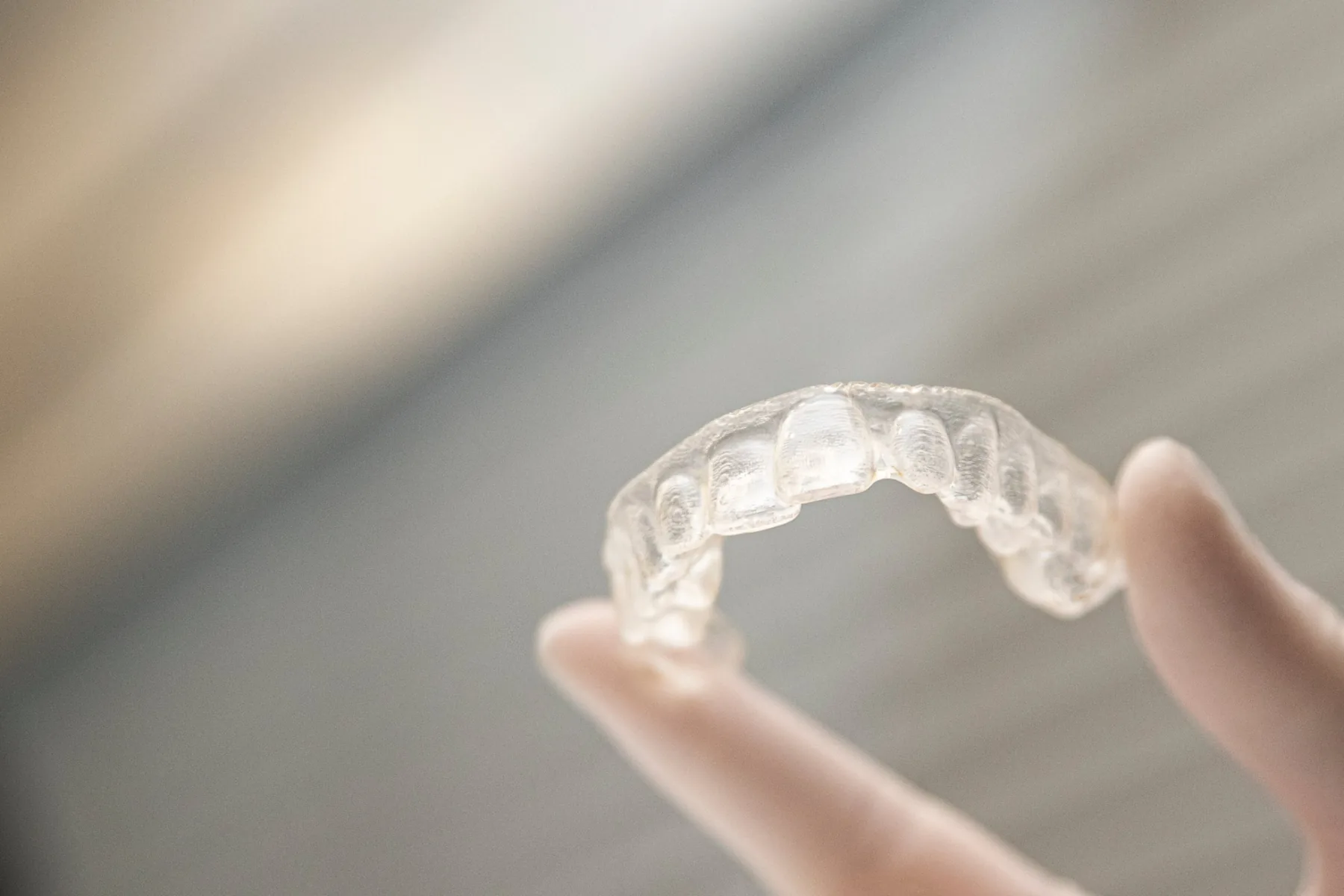
Both correct the position of the teeth. ClearCorrect uses clear aligners that come out for eating and brushing; fixed braces use brackets bonded to the teeth. The choice depends on the case, the age and the wearer’s discipline. At the assessment, the dentist tells you which is best for you.
The differences at a glance
| Aligners | Fixed braces | |
|---|---|---|
| Visibility | Almost invisible | Visible |
| Hygiene | Removed for eating and brushing | Needs more care |
| Discipline | Wear 20 to 22 hours a day | Doesn't depend on the patient |
| Appointments | Further apart | Regular adjustments |
When aligners are a good option
- Adults and teenagers who want a discreet brace.
- Crowded teeth or teeth with gaps.
- Many bite problems, once they have been studied.
When fixed braces may be better
- Very complex cases that need difficult movements.
- Children who can't yet manage the hours of wear.
See the result before you start
With ClearCorrect, the digital simulation shows how your teeth will move and an estimate of treatment time, before you make a decision.
Frequently asked questions
Do aligners hurt?▾
There may be pressure in the first few days of each new aligner. It's a sign your teeth are moving.
How long does it take?▾
It depends on the case. The estimated duration is shown in the simulation.
Do I need a retainer at the end?▾
Yes. The retainer keeps the teeth in place after treatment.
Questions about your case?No-obligation assessment appointment in Gondomar.