A removable denture rests on the gums and is taken out for cleaning and sleeping. A fixed denture on implants is screwed onto implants in the bone and is not removed at home. The All-On-Four technique is a type of fixed denture that uses four implants per arch and, in many cases, lets you leave surgery with temporary fixed teeth. The best option depends on the bone available, your general health and what you are looking for in comfort and budget, and it can only be decided after an assessment with a scan.
Anyone who wears a denture knows the complaints well: a denture that moves when you talk, trouble chewing hard food, adhesive, sore gums. Many people ask whether it is worth switching to fixed teeth and what changes in practice. In this article we explain the differences, who can have each treatment and what affects the price.
The three options, explained simply
- Removable denture (conventional denture). This is the traditional acrylic denture that replaces all the teeth in an arch or just some of them. It rests on the gums and, in the case of a partial denture, is held with clasps on the remaining teeth. It is taken out for cleaning and usually for sleeping. It is the quickest option with the lowest initial cost, but over time the bone shrinks, the denture no longer fits as well and needs relining or replacing.
- Implant-retained denture. A middle ground. Two to four implants are placed and the denture clips onto them with small attachments. It is still taken out for cleaning, but it is much more stable than a denture resting only on the gums.
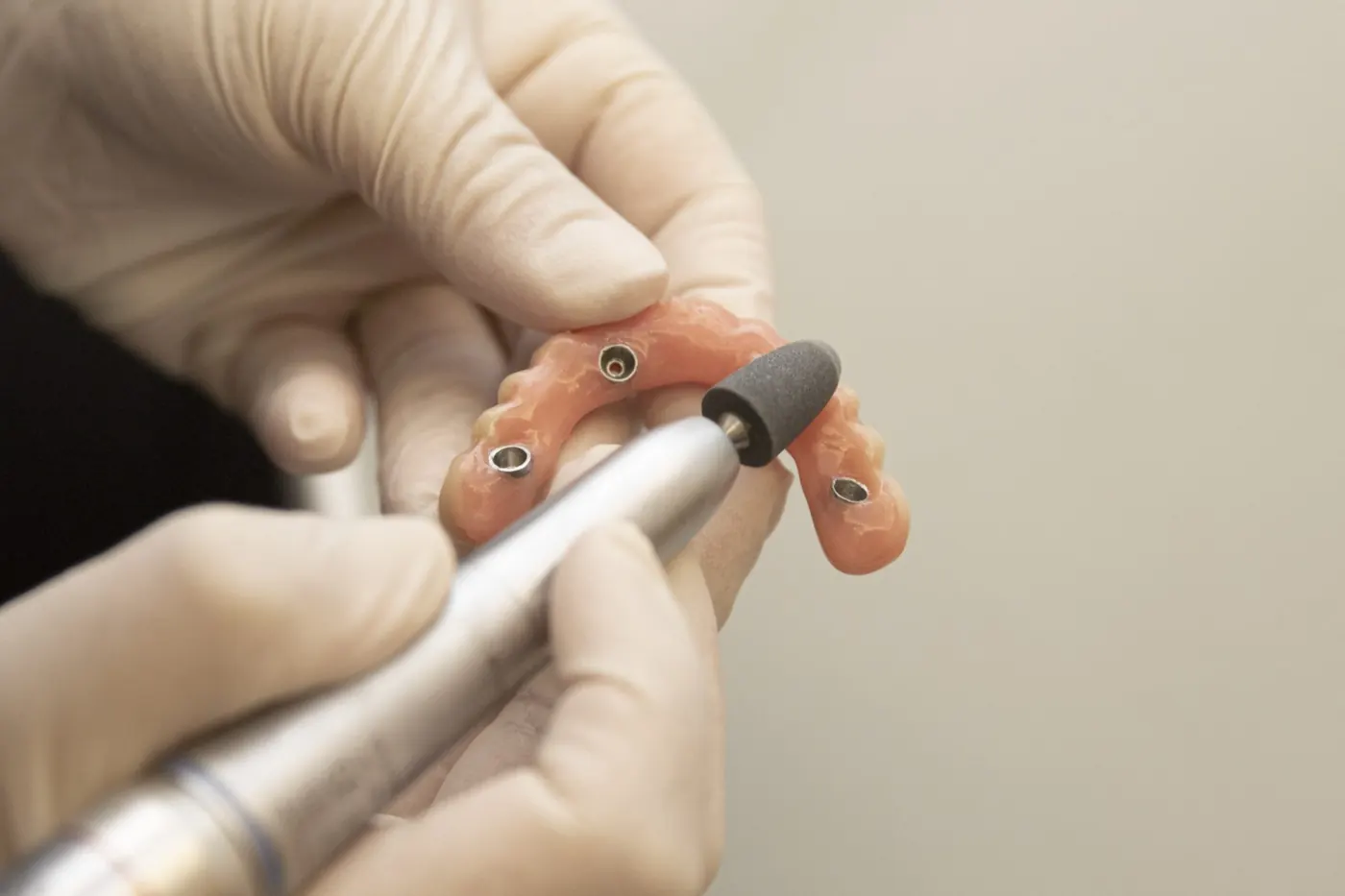
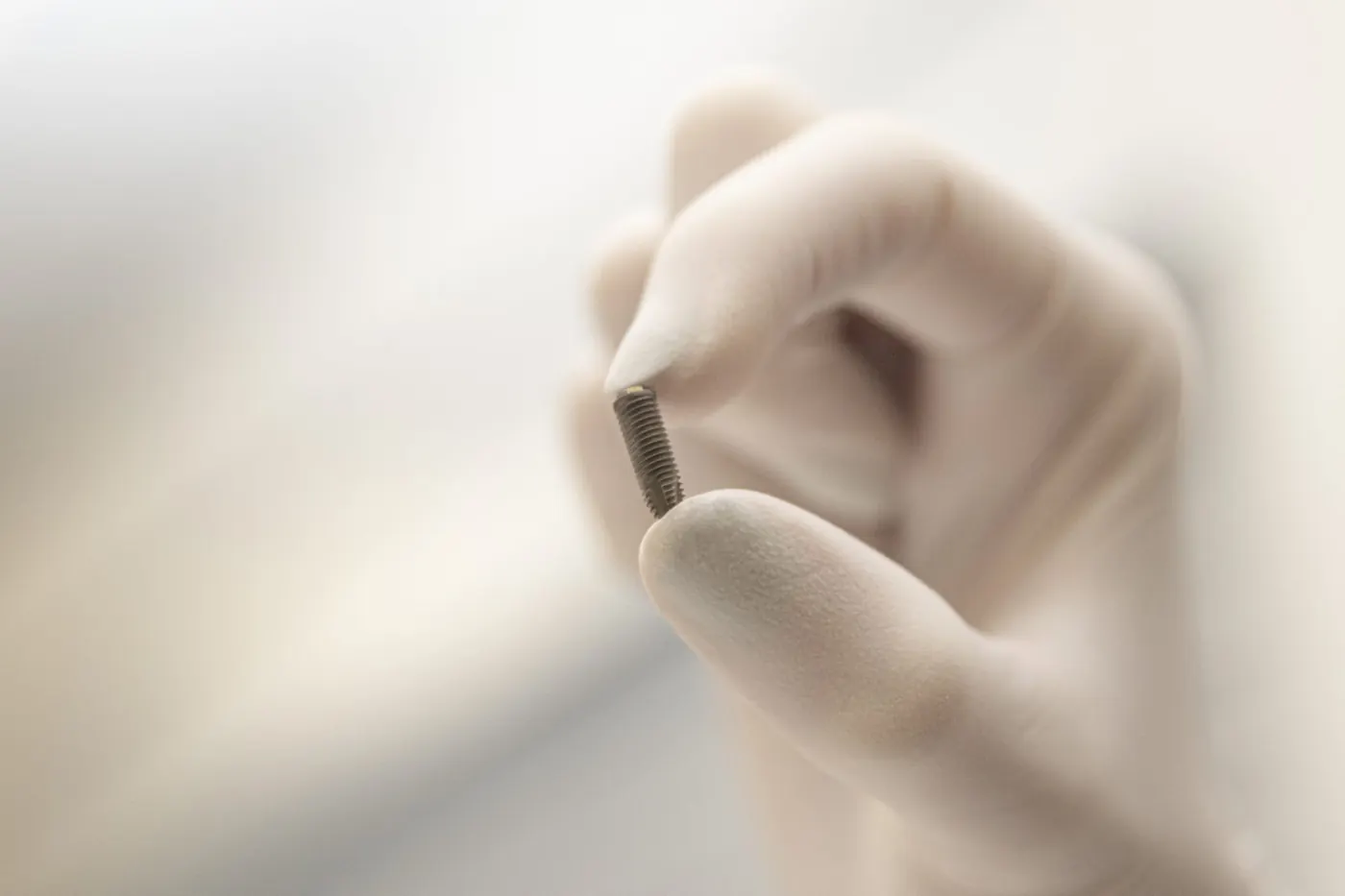
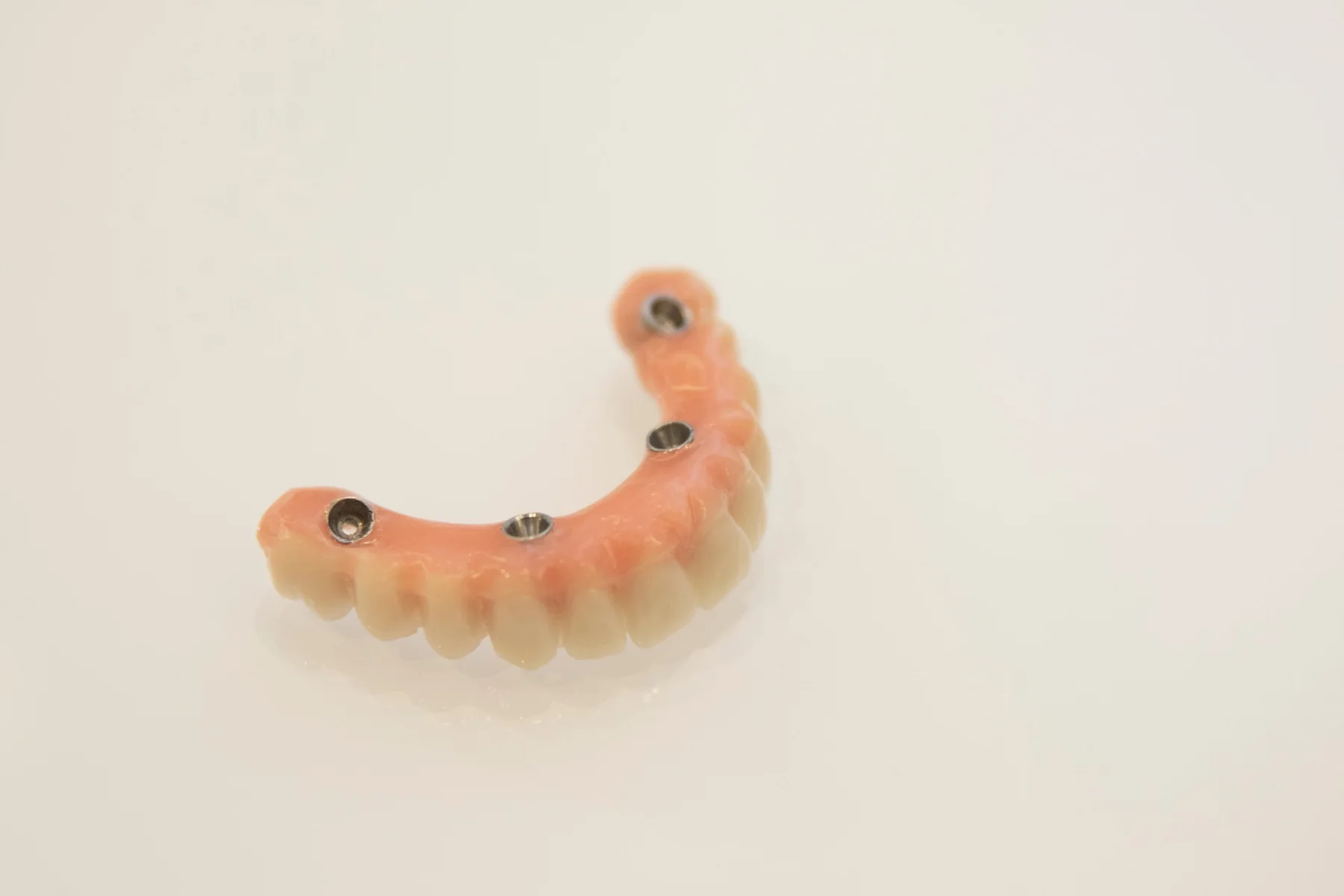
- Fixed denture on implants and All-On-Four. The teeth are screwed onto implants and are not removed at home; only the dentist removes them, at maintenance appointments. With the All-On-Four technique, a full arch rests on four implants, placed to make the best use of the available bone. When the implants are very stable at surgery, temporary fixed teeth can be fitted shortly afterwards. The final denture is made after the healing period.
We explain the process in detail in the article Teeth in a day: how the All-On-Four technique works.
Side-by-side comparison
| Removable denture | Implant-retained denture | Fixed denture / All-On-Four | |
|---|---|---|---|
| Stability | May move when talking and eating | Good, clips onto the implants | Fixed, does not move |
| Chewing | Limited with hard food | Better than a conventional denture | Closest to natural teeth |
| Roof of the mouth (upper arch) | Usually covered | Often less covered | Free |
| Removed at home | Yes | Yes | No |
| Surgery | No | Yes, implants | Yes, implants |
| Effect on bone | Does not stop bone loss | Helps preserve bone around the implants | Helps preserve bone around the implants |
| Initial cost | Lowest | Mid-range | Highest |
| Maintenance | Relining and replacement over the years | Check-ups of attachments and implants | Careful daily hygiene and maintenance appointments |
What affects the price
- Number of implants. A denture on two implants costs less than a fixed arch on four or more implants.
- Denture material. Acrylic dentures cost differently from ceramic or zirconia ones.
- Amount of bone. When bone is missing, a graft or a specific technique may be needed before or during implant placement.
- Extractions and prior treatment. Teeth that need to be removed or gums that need treatment.
- Scans. A dental CT scan is essential to plan implants safely.
We explain these factors in more detail in How much does a dental implant cost and what affects the price. At Carla Pinho Dental Clinic, the quote is given after the assessment appointment, with the treatment plan already defined, and payment plans are available.
Who can have a fixed denture on implants
- General health. Conditions such as diabetes should be under control, and some medicines require special care.
- Smoking. Smoking increases the risk of implants not integrating well with the bone.
- Available bone. The CT scan shows whether there is enough bone or whether a graft is needed.
- Gums. Active gum disease must be treated first.
- Hygiene. Fixed teeth need careful brushing and cleaning with interdental brushes or a water flosser.
If surgery is not possible or not wanted, a removable denture is still a valid option, as long as it fits well and is checked regularly.
How to go from a denture to fixed teeth
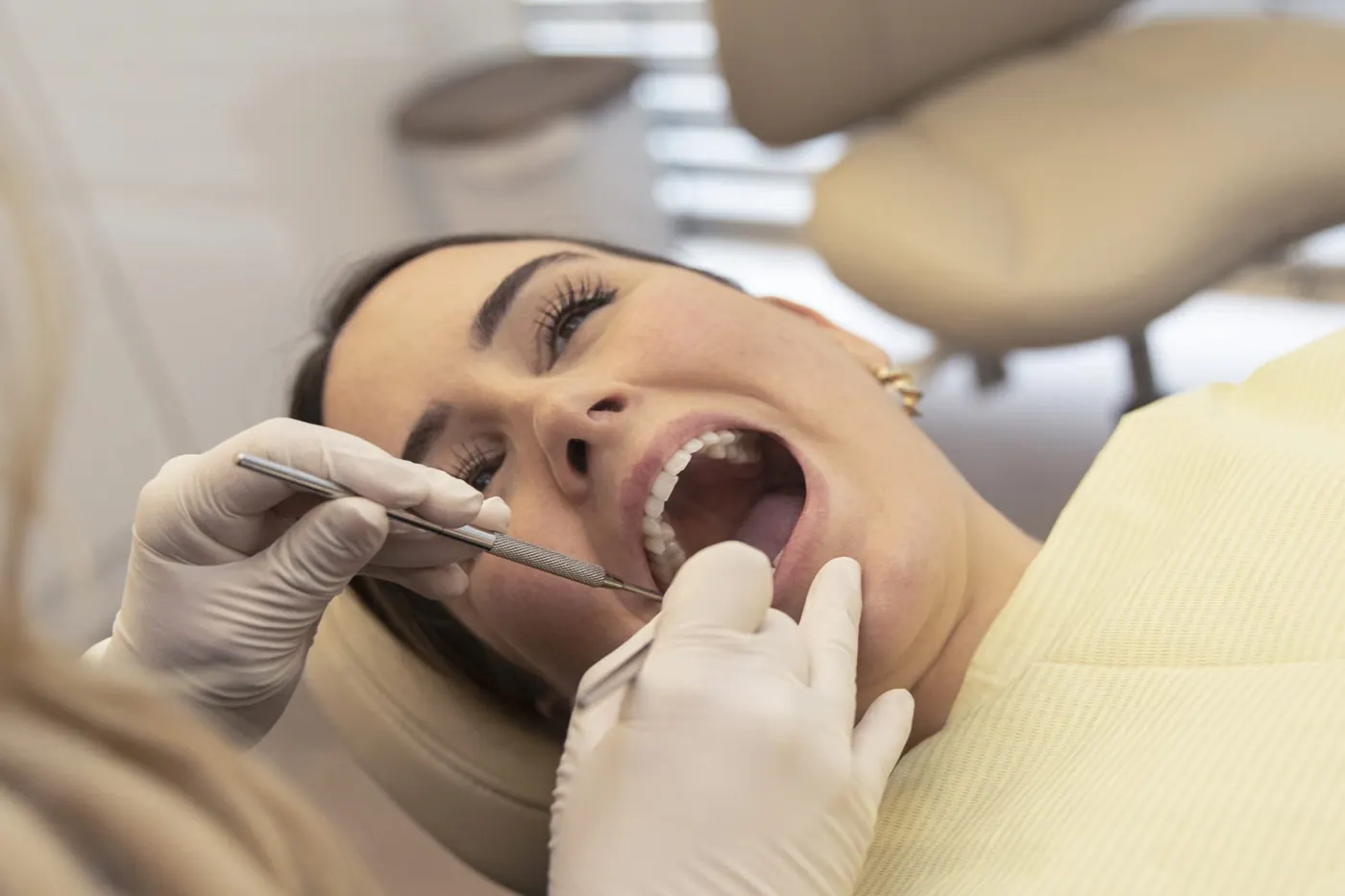
- Assessment appointment. Examination, a conversation about what bothers you about your denture, and a CT scan request.
- Plan and quote. The dentist explains the options available in your case and what each one includes.
- Surgery. Implant placement under local anaesthetic. When there is enough stability, a temporary fixed denture is fitted.
- Final denture and maintenance. After healing, the final denture is made and maintenance appointments are scheduled.
You can see results of treatments done at the clinic on the clinical cases page.
Frequently asked questions
Can I sleep with a fixed denture?▾
Yes. A fixed denture is not removed at home, so it stays in your mouth day and night, like natural teeth.
Does implant placement hurt?▾
Surgery is done under local anaesthetic, so you should not feel pain during the procedure. Some discomfort and swelling in the following days is normal and is managed with the prescribed medication.
How long does a fixed denture on implants last?▾
With good hygiene and regular maintenance appointments, implants can last many years. The denture itself may need repairs or replacement over time, especially acrylic ones.
I have little bone. Can I have fixed teeth?▾
In many cases, yes. Techniques such as All-On-Four were designed to make better use of the available bone, and grafts can be used when needed. Only a CT scan can show the best solution.
I have worn a denture for many years. Is it too late?▾
Age alone does not rule out treatment. What matters is your general health and the available bone, which are assessed at the appointment.
Is an implant-retained denture a good option?▾
For people who want more stability at a lower cost than a fixed denture, or who have little bone, it can be a good solution. The dentist will help you compare both options in your case.
This article is for information only and does not replace an appointment with a dentist.